
Easy care when choosing interior doors: 6 questions to ask in the showroom
How should you assess care of the finish, glass and handle when choosing a door? Six showroom questions, an approach to everyday cleaning and information to request at handover.
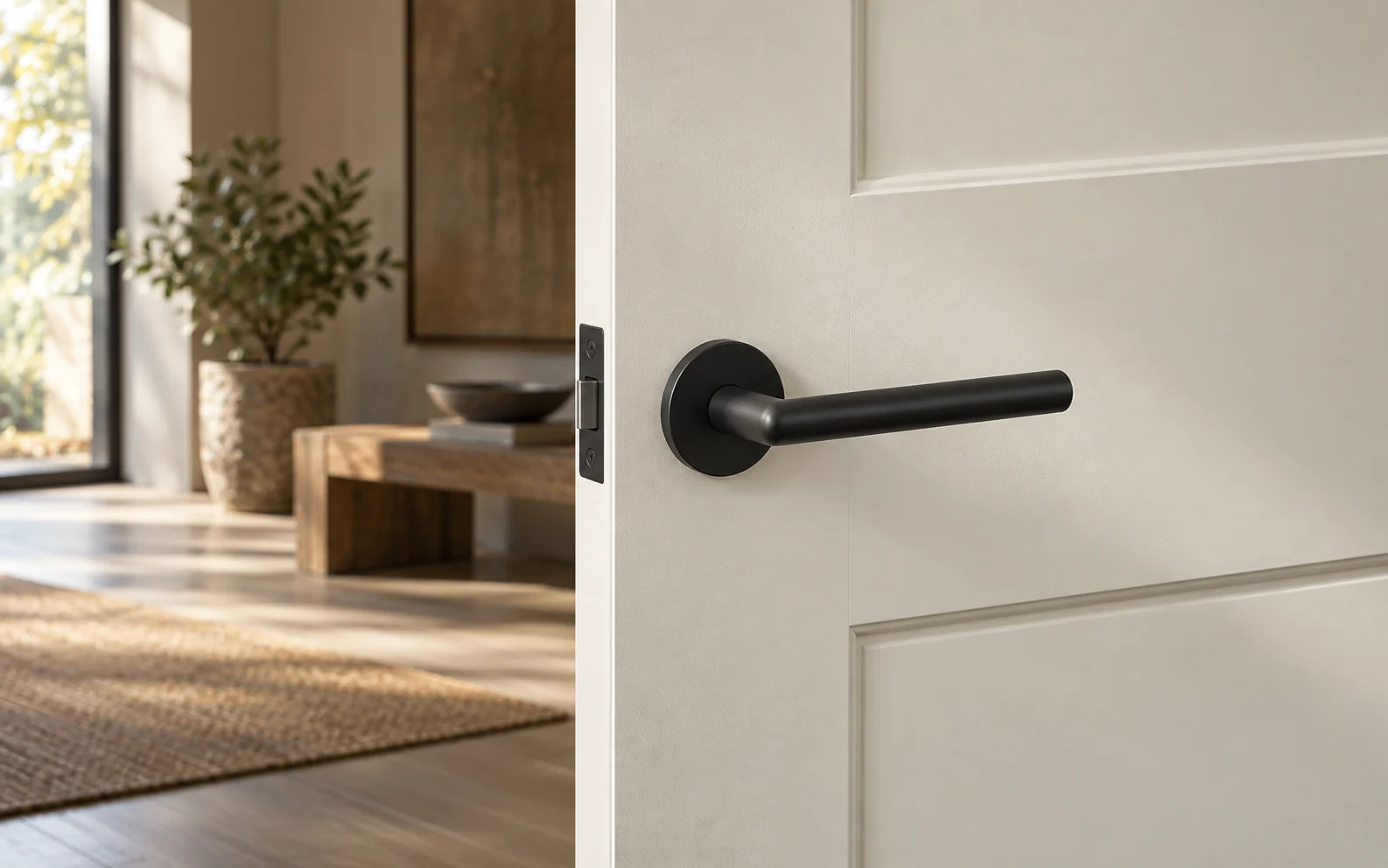
1. What is the exact name and finish of this surface?
Do not note only the colour of the door you like. Ask about the surface material, the paint or covering type and the degree of mattness as well. Do not decide from a wood-like appearance whether the surface is natural veneer, laminate or another material. Have the model and finish code written on the back of the sample, and confirm that it matches the product you will buy. Explain your cleaning habits at home too: are you choosing a frequently touched kitchen door or a rarely used guest-room door? Discussing care instructions in the context of this use is more useful than simply being told “easy to clean”.
2. Which cloth and product should be used for everyday cleaning?
In the showroom, ask to be shown the recommended cleaning method on your chosen sample. For example, Barausse recommends first dusting its own lacquered doors with a soft cloth and, when needed, using a damp cloth with a small amount of neutral detergent while avoiding harsh cleaners. For its varnished wood veneers, it also describes a slightly damp cloth. Do not automatically apply this approach to every surface: follow the written care instructions for the door you will buy. Ask for clear answers about the cloth, product name, dilution and final treatment. Before using a stronger chemical on a stubborn mark, share a photograph of it with the seller.
Source: Barausse — cleaning and care by surface type ↗3. Is the door handle cleaned in the same way?
Do not assume one cleaning recipe for both the door finish and the handle. HOPPE treats different metals and surface finishes separately in its care guide; while it recommends water and a soft cloth for many finishes, it asks users to avoid abrasive cleaners and steel wool. It gives different procedures for some special finishes. Therefore, learn the handle’s brand, model and finish code, not just its “black” or “gold” colour. Do not infer from appearance that a metal polish or household cleaner is suitable. Keep your handle’s own care instructions with the door’s documents.
Source: HOPPE — hardware finish care instructions ↗4. What changes for the glass and frame on a glazed model?
If you are choosing a glazed door, ask for cleaning recommendations for both sides of the glass. Do not assume that patterned, coated or differently treated glass needs the same care as ordinary glass. Barausse recommends non-abrasive cleaners for its own glass and aluminium surfaces; this does not mean the same product can be applied to the paint or timber around your door. Ask to be shown on the sample how to clean the glass and its surroundings separately. In particular, examine access to the glass edge, the area around the handle and patterned sections.
Source: Barausse — glass and aluminium surfaces ↗5. Whom should I contact if the door becomes stiff or rubs?
Consider cleaning separately from adjustment of the mechanism. HOPPE stresses that, where needed for correct operation, hinges and other hardware should be adjusted according to the relevant manufacturer’s instructions. If a door rubs, the handle loosens or the sliding mechanism becomes stiff, do not look for a solution by spraying lubricant at random. Record a short video showing during which movement the problem occurs, and share it with the installation team. Before buying, ask whom to contact when care or adjustment is needed, what the mechanism’s model is and how maintenance access is provided. No lubrication interval or adjustment method applicable to every door is recommended here.
Source: HOPPE — general hardware care and adjustment ↗Compare AFC Door systems ↗6. What information should I receive in writing at handover?
Create a brief record on your phone for each door: model code, finish and colour information, handle model, details of any glass and sliding mechanism, care instructions and service contact. Add a general photograph and a close-up of the handle. Answer “Which product can be used?”, “What must not be applied?” and “What should I do if a mark will not come off?” before handover. For example, compare both sets of instructions before applying the cleaner specified for a kitchen door to a different finish in the bedroom. This small file also makes clear how each door should be treated when somebody else does the cleaning.
Complete collection selection with care information
You can explore collections such as HOME and PRESTIGE for their appearance, but assess care requirements from the selected model’s approved finish and hardware rather than the collection name. The manufacturer sources in this guide were checked on 28 September 2026. They explain a general approach and do not constitute a statement about the materials, durability or hardware properties of AFC Door products. The chosen product’s own care instructions take precedence.
Explore the HOME collection ↗Explore the PRESTIGE collection ↗Prepared with AI assistance. These design suggestions provide general guidance; product performance and installation details must be verified for the selected system.
Bring the idea into your space.
Consider colours and door systems together.
Ask about care for your chosen model →